Family Relationships

Join other women in the sandwich generation - share ideas and solutions as you learn to nourish family relationships without starving yourself.

Wednesday, October 06, 2010

Your Social Network Can Improve Your Health

I bet you're not surprised: Study after study has confirmed what most women already know - friendships are good for your health. The Nurses Health Study found that the greater the number of friends in your social network, the more healthful and joyful a life you lead. The MacArthur Foundation concluded that social support helps women cope with difficult times. Shelley Taylor and her colleagues at UCLA determined that befriending other women helps women live longer and more satisfying lives.

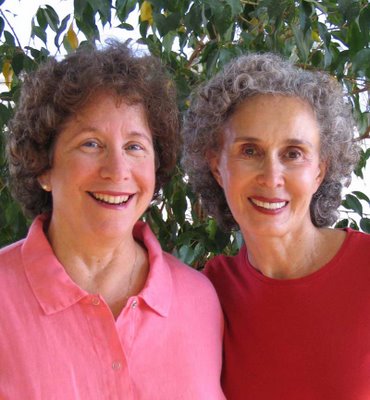
Two Women Sitting on a Porch

So when you're setting up your personal health plan, be sure to set aside time to spend with your friends. They'll help you cope with daily hassles and with more serious hardships. Consider nurturing your friendships like a form of preventative medicine - and you don't even need a prescription. Isn't an afternoon with friends more fun than a trip to the doctor, easier to swallow than pills and not hurtful like a shot? So set a date and put it on your appointment calendar - you'll feel better when you do.

Our short YouTube video, Your Personal Health Plan Relies on Your Social Network gives you some tips to begin. Share ideas and reach out for emotional and practical support as you cope with the ups and downs of a family-in-flux. Friendships can be a potent antidote to the toxins of stress.

Sandwiched Boomers often try to live up to extremely high expectations - yours or others. Instead, draft a set of realistic, reasonable, achievable standards. You'll feel less stressed when you do. Another of our YouTube videos, Your Personal Health Plan Sets Reasonable Standards, gives you tips about setting up attainable goals as part of your personal health and wellness plan. You'll learn about letting go of guilt, accepting yourself for who you are and asking for help when you need it.

Want to learn more about the importance of friendships in supporting you? Boomer Women and Friendship: The Gift You Give Yourself will give you some good background. It's on our website, Her Mentor Center with other helpful articles.

Labels: , , , , , , , , , , , , , ,

Wednesday, August 05, 2009

Your Personal Health Plan Relies on Your Social Network

Women traditionally turn to friends when they need help coping - both with daily hassles and with more serious hardships. Study after study has confirmed what most women already know - friendships are good for your health. The Nurses Health Study indicated that the greater the number of friends in your network, the more healthful and joyful a life you lead. The MacArthur Foundation found that social support helps women cope with difficult times. Shelley Taylor and her colleagues at UCLA determined that befriending other women helps women live longer and more satisfying lives.

When you're setting up your personal health plan, be sure to set aside time to spend with your friends. Consider nurturing your friendships like a form of preventative medicine - and you don't even need a prescription. Isn't an afternoon with friends more fun than a trip to the doctors, easier to swallow than pills and not hurtful like a shot? So set a date and put it on your appointment calendar - you'll feel better when you do.


To read more about the importance of friendships, click on the title of this post. You will be connected with our website, HerMentorCenter.com and an article in our Nourishing Relationships archive, Boomer Women and Friendship: The Gift You Give Yourself.

Labels: , , , , , , , , , , ,

Link

Friday, March 07, 2008

"Community" has always been a concept that women embrace for caregiving, as Shelley Taylor discusses in her book, "The Tending Instinct." Through the ages, from prehistoric times until now, communities in which women "tend and befriend" each other have allowed them to survive and even thrive.

Now the presence of community is contributing to the new movement of "aging in place," seniors remaining in their own homes rather than moving elsewhere. Studies indicate that over 90% of the elderly prefer this option and that it provides a better quality of life for them. This alternative is generally less expensive but depends on the input of a group of people to make it possible.

Pilot projects in several cities have been set up to coordinate services for groups of the aging population - labeled naturally occurring retirement communities - so that they can remain in their homes. These programs are having positive results, offering independence and safety through the connection to community. New social interactions have led to greater efficiencies as neighbor helps neighbor in need. This growing trend attests to the power of women working together to accomplish more than they could alone.

As a Sandwiched Boomer, how would you feel about your parents' participation in the "aging in place" phenomenon? Are there resources such as these in your areas? Would it reduce your stress to draw upon the community to assist with the care of your parents?

Labels: , , , , , , , ,