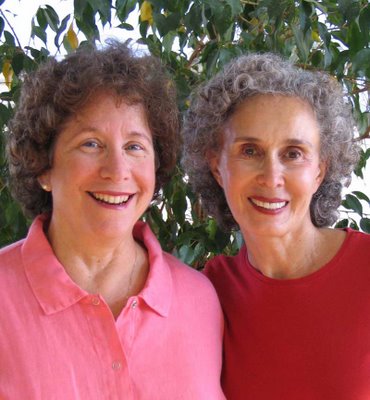
Juicy Tomatoes, Women 50 and Beyond
Good morning Sandwiched Boomers! Today we are delighted to welcome Susan Swartz to our Virtual Book Tour. A talented journalist, author, public radio commentator and blogger, she has written two books about women 50 and beyond. She's here to talk about her 'Juicy Tomatoes' books so lets get started, Susan.

Nourishing Relationships: First off, who or what is a Juicy Tomato?
Susan Swartz: It’s a term I came up with for mature middle aged women to counter those over-the-hill stodgy predictable stereotypes. Juicy Tomatoes are ripe, still on the vine, a little sun-damaged but not ready for the compost bin, if you get my metaphors. Juicy to me means succulent in mind, body and spirit. Also juicy in terms of still having the juice, that is power and ability.
NR: Why did you write your book?
SS: When I waded into my 50s, which was more than a decade ago, I didn’t like the images of middle aged and older women that came up in commercials, novels, movies and the culture in general. Those images, of tired, grumpy, regretful women didn’t match the energy and intellect of women I knew. So I used my journalistic skills to seek out real women in their 50s and 60s and asked them what they liked and didn’t like about getting older. We talked about everything from face-lifts and faith to how contra dancing can cure the empty nest syndrome. The idea was to encourage women to not get stuck but push on and enjoy these years. And to set a better example for those little hard green tomatoes, including my three daughters.
NR: So getting older is all wonderful and rosy?
SS: No, you lose parents and friends get sick and your doctor wants you to have a colonoscopy and there are weird skin things growing on your body. And you worry that you never saved for retirement and your company is downsizing and the younger staffers are nudging you towards the fire escape. But, if you’re lucky you’ve got a husband who likes to dance and friends to grab for girly-girl overnights. And maybe you’ll finally learn to kayak or write a sonnet.
NR: Who are the women in your book and how did you find them?
SS: As a long time newspaper columnist and reporter I already knew a number of women who dazzled me with their attitude and energy including business leaders, artists, folk singers, ex-pats, a house builder, inn keeper, ski instructor. Then I tapped friends and newspaper colleagues around the country for more juicy women.
NR: What did you learn from your Tomatoes?
SS: That truth-talking girlfriends are essential. That creativity lasts. That confidence is sexy. And from a yoga teacher – you are as young as your spine.
NR: What is the difference between your first and second Juicy Tomatoes book?
SS: In the first book Juicy Tomatoes: Plain Truths, Dumb Lies and Sisterly Advice After 50 I explore the stereotypes of aging, where they come from and why there's more to us than over-the-hill black balloon birthdays and saggy breast jokes. Still, there's a lot of frank talk about menopause and some of the visible changes that we experience. As one woman said: "I showed a picture of me with my first husband to my current husband and he looked at me and said, 'Who's that?'"
The second book The Juicy Tomatoes Guide to Ripe Living After 50 is more of a girlfriend guide. Women discuss cosmetic surgery decisions, taking care of our bones, how not to be an old poop. One hint: Walk as if you're wearing high heels even if they're sneakers. Sexy women wear heels, if only in their minds.
NR: What is your next project?
SS: I’m fooling around with a kind of memoir about what happens to my generation of women when we leave our life-long profession but don’t really retire. I tentatively call it Life After Newspapers.
We appreciate your candor and insight, Susan. For more information about Susan, her books, podcasts or articles about health and fitness, click here.
Now, readers, it's your turn. Susan is available all day to answer questions - just click on 'comments' at the bottom of this post and follow the prompts. And thanks for stopping by!
Labels: boomer women, daughters, empty nest syndrome, face lifts, girlfriends, husbands, Juicy Tomatoes, menopause, middle aged, parents, Sandwiched Boomers, Susan Swartz, Virtual Book Tour
posted by Nourishing Relationships @ 7:13 AM
17 comments