Family Relationships

Join other women in the sandwich generation - share ideas and solutions as you learn to nourish family relationships without starving yourself.

Wednesday, September 28, 2011

Sandwiched Boomers: Our Gift to You

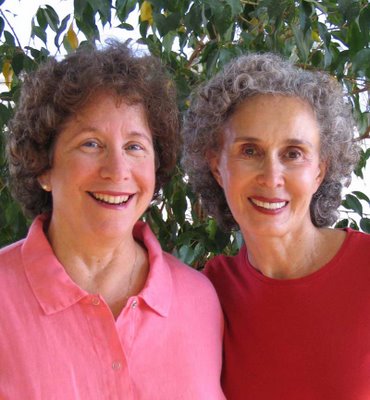
Just for today, please indulge us in a stroll down memory lane. It's been 10 years since we published our first Stepping Stones newsletter and 5 years that we've been blogging here at Nourishing Relationships.

Early on we discovered that the Internet was like the Wild West and we joined with other pioneers to build a thriving community. We've met some incredible women through our work and want to share narratives they wrote for issues of the newsletter, some dating way back to 2001.

Read about joys and struggles of family life:

stepmother survival tips
kitchen dancing
the loss of a love

And about women who took a big step beyond their comfort zone:

doing what you love
self discovery at 52
a pilgrimage

We want you to know, dear readers, that we appreciate you! Even though we often don't hear from you directly, the statistics show that you're stopping by and reading the posts. As a gift for your loyalty, please download these complimentary eBooks and feel free to share them with your friends:

Courage and Lessons Learned: Reaching Your Goals

Taking Control of Stress in a Financial Storm: Practical Strategies and Resources for Success

If interersted, sign the email list to the left of this post to receive our monthly newsletter. And if you have your own story to tell or a family issue you want to discuss, we're listening. Just click on 'comments' below and start writing. Or email us at Mentors@HerMentorCenter.com.

Labels: , , , , , , , , , ,

Thursday, February 18, 2010

Virtual Book Tour: "Irritable Male Syndrome"

Today we are delighted to welcome author and psychotherapist, Dr. Jed Diamond, to our blog for sandwiched boomers. Jed is the author of The Irritable Male Syndrome: Managing the 4 Key Causes of Depression and Aggression. He has been researching this problem for years and has lots of wisdom to share. Now see for yourself:


Nourishing Relationships: How did you discover “Irritable Male Syndrome?”

Dr. Jed Diamond: When doing the research for my book series on “Male Menopause,” I found that the most common symptoms were irritability and anger. Although the media focus was on sexual dysfunction, I found that a much more destructive factor was the emotional disconnection occurring in relationships.

I received many letters from mid-life women expressing their pain and confusion:

“Last January a man came home from work with my husband’s face but he did not act at all like him. I've known this man for 30 years, married 22 of them and have never met THIS guy before. Mean, nasty, and cruel are just a few words to describe him.”

“He blames me for everything these days. If his socks or underwear are missing, I must have put them somewhere or done something with them to piss him off. The thing that bothers me the most is how unaffectionate he has become. My husband used to be the most positive, upbeat, funny person I knew. Now it's like living with an angry brick!”

As a psychotherapist, it broke my heart to see so many mid-life marriages falling apart, just when the couple could be enjoying their lives the most. I knew I needed to understand what was going on.

NR: What exactly is Irritable Male Syndrome and how common is it?

JED: IMS can be defined as a state of hypersensitivity, anxiety, frustration, and anger that occurs in males and is associated with biochemical changes, hormonal fluctuations, stress, and loss of male role identity.

The medical community is notoriously slow in recognizing new problems. However, A few pioneering practitioners are beginning to understand IMS. “IMS is incredibly common—up to 30 percent of men experience it,” says Chrisopher Steidle, M.D., clinical associate professor of urology at the Indiana University School of Medicine.

NR: How does someone know if they, or someone they love, are suffering from IMS?

JED: When I was conducting research for the book The Irritable Male Syndrome, I created a questionnaire that I gave to 1,000 men and women. The following 10 symptoms were the most common: Grumpy, Angry, Impatient, Tense, Hostile, Lonely, Stressed, Annoyed, and Touchy.

I put the full questionnaire up on my website at www.IMSquiz.com. Over the last five years more than 40,000 men and 20,000 women have taken the quiz and gotten their scores.

NR: I understand there are different types of IMS. Can you tell us about them?

JED: That was one of the most interesting outcomes of the research study. There were fifty symptoms that we explored and we discovered that they grouped together in fascinating ways. We found that there were 7 different sub-types of IMS: Grumpy, Fearful, Aggressive, Unloved, Jealous, Exhausted, and Impulsive.

NR: How is IMS related to male depression and aggression?

JED: When I began studying IMS, in myself, my clients, and the thousands of people who called and wrote to me, I was struck by the level of violence that was occurring. Although most cases of IMS didn’t lead to the most extreme forms of violence, murder or suicide, there was a great deal of verbal and sometimes physical abuse directed at others. I was also struck by the degree of hostility that was turned inward.

I see IMS as the tip of the iceberg that leads down one side into sadness, depression, and (if not treated), suicide; and down the other side into anger, aggression, and (if not treated), violence.

NR: What can be done to treat IMS?

JED: Fortunately, there are many things that can be done including the following:

1. Heal the sprained brain by restoring the neurotransmitter, serotonin.

Eat protein rich foods such as turkey, chicken, fish, and dairy products. Avoid anti-serotonin foods such as caffeinated sodas, coffee, or “diet sweetened” drinks or foods. Exercise more and get out in the sunshine.

2. Restore testosterone balance.
Irritability can come from having too much testosterone (men that use steroids to build up muscles for sports) or too little. Surprisingly most men suffering from IMS have testosterone levels that are too low. Have your doctor test for both free and total testosterone.

3. Lower stress levels. Learn to meditate, take time off from work, or walk in the country. There are many ways to lower stress levels and all will help with IMS.

4. Work with a health-care provider who understands IMS. We are still in the early stages of understanding IMS and there aren’t many practitioners who are trained to deal with it. Find someone who understands the physiological, hormonal, psychological, interpersonal, sexual, and spiritual aspects of IMS.

NR:
Are there things a woman can do to help rescue a relationship that is in trouble.

JED:
I’ve gotten hundreds of letters from women who want to know what they can do to help the man in their lives, deal with their own wounds, and insure that their relationship survives this difficult period. In response I have written a new book, Mr. Mean:Rescuing Your Relationship from the Irritable Male Syndrome. The book will be out later this year and will address the most critical questions women are asking about IMS. Those who want to be kept informed can sign up at www.TheIrritableMale.com to receive my free e-newsletter.

Now it's your turn, readers - scroll down to 'Comments' on the lower righthand side of this post and follow the prompts to ask Dr. Diamond any questions you may have. And tomorrow we'll do a wrap-up of your concerns and Jed's responses right here. Learn more about Jed and his work - clicking on the title of this post will take you to his website, www.MenAlive.com.

Labels: , , , , , , , , , ,

Link

Wednesday, December 10, 2008

As Sandwiched Boomers in these challenging economic times, is the commercialism of the holidays getting you down? How would you like to spend less time racking up credit card debt and more time putting heart into your relationships? It is important to honor the tradition of giving. But the accumulation of stuff can't hold a candle to the gift that matters most. This year, recreate the joy of simpler days by giving the gift of connection to your family and friends.

Organize a potluck dinner. Enjoy time with your friends by inviting them over for an evening of fun. Ask them to bring their signature dish. Cut down on expenses by exchanging memories instead of gifts this year.

Create some of your holiday presents. Express yourself and add a personal touch by baking decorative cookies. Show others you care with an IOU to babysit while they have a much needed night out.

Think about the ways you give to others without breaking into your savings account. And let us know some of your ideas.

Labels: , , , , ,

Monday, December 08, 2008

For Sandwiched Boomers, the financial debacle precipitated losses on many levels besides the stock market. And with the holidays just around the corner, the crisis in confidence couldn't have come at a worse time. This week our blog's focus is on how the gift of connection with family and friends can help reduce holiday stress.

Stress is the body's response to any stimulus - external or internal - perceived as taxing personal resources. Think about what's going on for you. Does food become your comfort and challenge, eating the cookie dough instead of baking it? Is gift giving your major source of stress, as you search for the best holiday bargains? At the annual office party, will you be busy at the buffet table instead of networking?

You may be creating more stress for yourself by sticking to old routine and operating on automatic pilot. Symptoms of stress can creep up on you or appear suddenly at any time. Notice if you're feeling the pressure in any of the following ways:

Physiological - headaches, stomach upset

Emotional
- feeling irritated, overwhelmed

Behavioral - overeating, physical withdrawal

Cognitive - trouble concentrating, memory loss

Log on all week for tips to manage stress that don't cost you anything except time. And let us hear about some ideas that work for you.

Labels: , , , , , , ,

Wednesday, June 18, 2008

As we finish up our posts on Sandwiched Boomers caring for their grandchildren, here are some final tips:

Do whatever is necessary to maintain familiarity and continuity in the lives of your grandchildren. By nurturing them and stabilizing their environment, they'll begin to feel more secure. The structure in their lives and the support you give them will relieve their feelings of anxiety and stress. Children are resilient - as you model positive thinking and hope, they will thrive.

Whether their troubling behavior stems from a hunger inside that needs to be satisfied, a serious emotional problem or habitual drug use, encourage your children to examine their own lives. By keeping the home fires burning, you afford them the opportunity to focus on greater personal awareness and their own emotional growth.

Many of our young people seek their self worth through the approval of others and habitual substance abuse is a major problem in our society. Community resources are positioned to help out when our adult children - struggling with shared child custody issues - need conciliation court, random drug tests, or rehabilitation. Through all these difficulties, our grandchildren need representation and someone to speak on their behalf. They deserve role models with strong ethical standards, integrity and character. Our children need our support as they get healthy enough to come home and raise our grandchildren.

Log in tomorrow morning for a lively Virtual Book Tour with Marika and Howard Stone, authors of "Too Young to Retire: 101 Ways to Start the Rest of your Life." Come prepared to ask questions and share your thoughts.

Labels: , , , , , ,

Thursday, April 03, 2008

Are you a Sandwiched Boomer Mom whose husband or son is a stay at home Dad? There has been considerable growth in this phenomenon over the past few years. It seems that this generation of parents welcomes more flexibility in gender roles. On www.rebeldad.com, statistics show that over 17% of preschool children with employed Moms are cared for by their Dads.

More than 1/4 of working women earn an income greater than their husbands. Often families today feel that one parent should stay home with the children - and men are responding by taking a detour off the career path. But no more "Mr. Mom." Dads are fending off stereoptypes and shedding the stigma of taking care of their children. Men are defining their own ways of masculinity - advocating for an overhall of family leave policies at work, taking over the household and joining support groups.

Whether the roles in your family are shifting for your husband or son, let us know what you think and how the circumstances are effecting you.

Labels: , , , , , ,

Sunday, March 23, 2008

Boomerang kids moving back home after college, unable to get a job or make enough money for independent living, is old news. Lately, issues facing the wave of Sandwiched Boomers - who are handling new responsibilities as their aging parents need more help - have been targeted by the media.

This weekend, in the Los Angeles Times, there's an article entitled "Middle-aged and living with Mom." Apparently more people in their 40s and 50s, laid off from jobs, struggling in a difficult economy, unable to make ends meet, are settling into to the bedrooms they grew up in.

The question is, how far to go? Some parents jeopardize their financial freedom or give up their dreams. They feel guilty and have a hard time saying no. Others see this as a last chance to spend time together, give emotional support, to help each other. What do you think?

Labels: , , ,

Saturday, March 01, 2008

Americans today are living longer and are developing or dying from more chronic conditions. A greater number of parents now need care at the end of their lives. Many continue to live at home with their children as unpaid caregivers or move in with family, instead of into nursing homes.

Male caregivers are already living their own version of the numbers. Nearly half of them have symptoms of depression. Time is a main resource in short supply and that issue takes a heavy emotional toll. How can they take time for themselves when that is the resource they're already borrowing? We all have to put our heads together as the groundswell of Baby Boomers faces these dilemmas and discovers there's simply not enough to go around.

Think about the male Sandwiched Boomers that you know who are struggling with these concerns. Share your ideas as well as the information in our past several blogs. Spread the word by starting a conversation.

Labels: , , , , ,