Family Relationships

Join other women in the sandwich generation - share ideas and solutions as you learn to nourish family relationships without starving yourself.

Wednesday, April 25, 2012

Virtual Book Tour: Lauren Brooks and Kettlebells

We’re pleased to be hosting Lauren Brooks here on the blog today. She’s the author of Kettlebells for Women: Workouts for Your Strong, Sculpted and Sexy Body.

For those of you who don’t know, kettlebells are iron balls with handles that allow you to move the weight in a natural swinging motion with your hips. They provide an all in one workout that results in increased strength, conditioning and fat loss all at once. If you’re ready to know more about this unusual and effective kind of workout, let’s get started:

Nourishing Relationships: We all know how passionate you are about teaching kettlebells. Please tell us a little more about what inspired you to write this book for women.
Lauren Brooks: Writing a book about kettlebells allowed me to take everything that I’ve learned and believe in and put it down in an easy and welcoming step by step format. For the last 7 years, I have watched hundreds of transformations in people who have added kettlebells into their life. Many have had the opportunity to use my kettlebell DVDs. The majority of my fan base is female because my experiences made it easy for them to relate to me not only as a woman, but also as a mother who has gone through two pregnancies.

Many women have this fear that if they lift anything heavy they will get big and bulky muscles and thus not look feminine anymore. Others may glance at a kettlebell and immediately think, “There is no way I can do that, it looks too hard and I will probably hurt myself.” I am hopeful that my book will prove to women of all ages and fitness levels that they too can learn how to successfully incorporate kettlebells into their fitness regimen.

NR: Can you tell me a little about why you chose the book cover that you did? Most female fitness books have someone looking more cheery. Why the serious look?

LB: The serious look was to highlight that this book cuts right to the chase. There’s no fluff or fillers. I wanted to show that it’s all about building strength and toughness, yet leaves room for plenty of femininity. There is a time and place for cheeriness, but “Kettlebells for Women” is about focus.

NR: What would you say is the main premise of your book?
LB: This book is about showing women of all ages that they can unleash an incredible power inside themselves. No matter what fitness level or age, any woman will benefit tremendously by increasing her strength and conditioning in this primal way of movement. The feeling of being empowered, confident, and incredibly sexy is exactly what has happened for the ladies whom I know have incorporated kettlebells into their life. This book guides you in such a way to make it easy enough for anyone to follow. I’ve seen that even husbands, along with men in general, are getting inspired to join their women in these workouts. Like any new exercise, having several private sessions would ensure safety. However, once the form and technique is achieved, the beauty of this program is it can be done almost anywhere.

NR: I understand you have released 6 workout DVDs. Would you say that the book is a better option to start with?
LB: For the last 4 years people all over the world have been learning from and working out to my kettlebell DVDs. I generally recommend beginning with my first DVD, “The Ultimate Body Sculpt and Conditioning with Kettlebells,” since it has an extensive tutorial section along with a couple of follow along workouts. My workout partner in that DVD is in her mid 50’s and she truly sets the bar high as far as what people are capable of doing at any age. The book is a perfect companion to any of my DVDs. It breaks down around 100 different exercises using pictures and descriptions, which should enhance the learning curve.

NR: Is this something that people of any age and fitness level can benefit from?
LB: I have personally worked with women and men of all ages and all fitness levels. It’s getting very popular for the baby boomers since it’s approachable, fun, doesn’t take a long time out of the day and the results are fantastic. I have lots of happy clients who are between the ages of 30 and 80. They are all reaping the benefits of moving better and improved strength and conditioning, thanks to this easy, no nonsense approach to healthier living. Chronic knee pain is suddenly diminished along with hip and shoulder pain. Glutes are firming up, arms are toning, and everything else in life, such as carrying groceries, playing with children and improving in all sports for that matter, is just getting better!

NR: Where can I find the book and how do I get started?
LB: The best way to get started is to purchase a kettlebell ranging in weight anywhere from 15-18 pounds. I know that sounds like a lot, but it’s much lighter than you think when it’s used properly. My 50 and 60 year old clients are currently able to swing 53 and 60 pound kettlebells with ease! They are little ladies too! You can find the book and DVDs on my website. I look forward to hearing from everyone and can’t wait to hear about more journeys of optimal strength, fitness, health and happiness.

Thanks for taking the time to talk with us today, Lauren. Learn more about Lauren and her work on her Facebook page. And now, readers, it’s your turn. I know you have some questions as well as concerns about your fitness program. Lauren will be checking in throughout the day - so here's your chance - just click on "comments" below and fire away.


Labels: , , , , , , , , , , ,

Wednesday, January 12, 2011

Optimism about Gabrielle Giffords' and America's Recovery


The recent news has been good concerning the ongoing recovery of Congresswoman Gabrielle Giffords after she was shot point blank in the head on Saturday. Reports are that she is breathing on her own as her husband holds her hand. The outpouring of prayers and good thoughts coming from Americans around the country will help to sustain her and her family through the long and arduous recovery that she faces. Support also goes out to the families of the six murder victims, whose funerals begin tomorrow as 9 year old Christina Taylor Green is laid to rest.

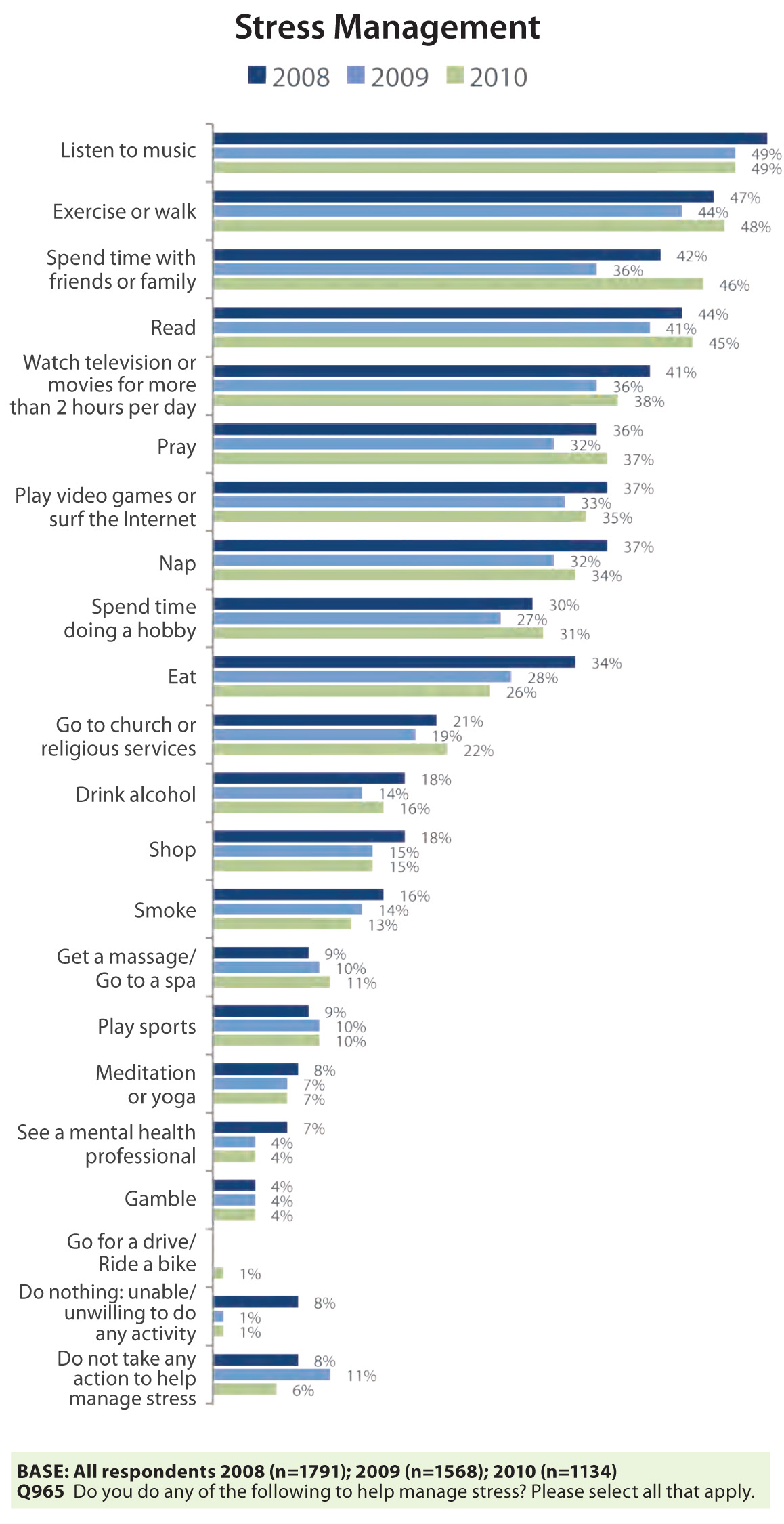
How will the country recover from this tragedy? Will Americans come together to face this heartbreak as one nation or will we be driven apart by finger-pointing and fractious debate? The palpable distress created by the horrific shootings have added to the already high levels of stress identified by the recent national survey conducted by the American Psychological Association.

We hope that such unfathomable horror will never personally touch you or your loved ones, but here are some techniques to use when you are coping with other stresses in your life:

Focus on what you can control and what you can accomplish, not what you can't. Close to one-half of those surveyed by APA said they experienced irritability and anger as a symptom of stress. While you often can't influence circumstances, you can recognize your emotions and control how you handle them. To move away from frustration, let go of negative thoughts and unrealistic expectations. Clearly define your goals or aspirations and keep focused on them. Make something positive come out of a negative situation.

Draw on your strengths. Survey respondents readily admitted their lack of willpower in creating a healthier lifestyle but 70% believe they can improve and institute the changes they have identified. Use the personal strengths you have relied on in the past as well as those you have developed more recently. Brainstorm new ways to apply the abilities you have in a novel way as you generate new opportunities for yourself.

Be patient with yourself. Know that you will recover balance and serenity at your own pace. As long as you keep moving forward, you will eventually reach your destination. Like one-half of survey respondents, you may find that listening to music, exercising, spending time with family or friends and reading are comforting ways to manage your stress.

Talk about your thoughts and feelings with family and friends and reach out to others in your support system. Be open to asking for help and validation of your emotions. You may want to consult a professional counselor for a non-judgmental ear and help in sorting out your concerns. Start a journal to aid in the process of coping with your anxiety.

You'll likely find that your personal recovery, both physical and emotional, will take time. Support is valuable as you begin the process of rebuilding body and spirit and restoring hope as you cope with your own feelings of stress and anxiety. And the American Psychological Association has more tips for coping with stress in the aftermath of traumas such as these horrific shootings.

Labels: , , , , , , , ,

Thursday, June 04, 2009

Sandwiched Boomers, Support and Resilience

With the challenges she's facing, Elizabeth Edwards has got to be struggling on many levels. Studies indicate that support and resilience are significant factors related to stress reduction. As sandwiched boomers, with parents and children looking to you for guidance, you're likely no stranger to stress. Here are tips that may help you bounce back:

It's important to keep communication open and honest. You may not want to face what’s going on directly, hoping that everything will be OK. But this way of coping can look to others like you’re not interested. Try to talk things over before anyone in the family begins to feel upset, misunderstood or angry. Practice the conversational etiquette and active listening skills that you know well.

If you have negative feelings, consider whether you’re overly sensitive or easy to anger - and what that may be about. Express yourself and then let go of any resentment. Learn to forgive and to apologize for any mistakes you’ve made. Holding on just makes it worse for everyone involved.

Labels: , , , , , , , , , ,

Tuesday, March 03, 2009

Staying Healthy in this Economy

As a private citizen, it’s difficult for you to influence government policy, but, even as a Sandwiched Boomer, you can have control over your own health. The average annual cost of health care in the United States is over 2 trillion dollars - a large drain on the economy. Almost 75% of health care dollars are spent treating chronic preventable illness. You have the power to make in-roads if you take your health into your own hands. This week we will give you some ways to start taking more personal responsibility. Here's one:

Participate in regular physical exercise that you enjoy and find engaging. The Centers for Disease Control recently released the '2008 Physical Activity Guidelines for Americans.' The guidelines, which recommend incorporating both aerobic activity and flexibility/strength training into your weekly routine, are a result of overwhelming evidence of the benefit of exercise in chronic disease prevention. Studies indicate that aerobic exercise brings more blood and oxygen to your brain cells. So you can improve your mood, control your weight and protect yourself against cognitive loss, all at once.

For more tips on how to take better care of yourself, click on the title above. It will take you to our website, www.HerMentorCenter.com and our article, How to Nourish the Sandwich that is You.

Labels: , , , ,

Link

Wednesday, February 20, 2008

As a Sandwiched Boomer, when you are counting on the support of your partner to cope with a serious illness, the barriers to straight talk that emerge may surprise you. Understanding what motivates your husband may make it easier for you to initiate more frankness into your conversations. Yesterday we outlined several possible grounds for difficulty; today we discuss two more.

Not surprisingly, your spouse is unable to fully comprehend what your illness is causing you to give up - feelings of control and invulnerability, your self-identity as a well person or expectations of a disease-free future. Consequently he may expect that you will be over your upsetting emotions sooner than you are. It's up to you to explain to him the depth of your losses, both present and future.

It may help to think about how you would react to a decline in your partner's well being, were the tables turned. It could easily threaten your sense of stability and change the role you play in your marriage. Blaire found herself pulling away from her husband in fear and anger. "Since my husband’s heart attack I hold back on love. It’s self-protective. He’s not taking care of himself - he won’t lose weight or stop smoking. I’m afraid I’ll lose him to an early death."

Facing a serious illness together leads to a complex set of reactions by both. This makes it even more important for you to reveal your feelings to each other, openly and honestly. As you begin to accept the difficulties in your conversations, you will also become aware of the positives that accompany the health challenges you have met together. Coping with a major disease often leads to a new perspective - with a greater appreciation of the preciousness of life - and a sense of increased intimacy with your partner. As you continue to move forward, your emotional closeness will be reflected in the deeper conversations that you share.

Labels: , , , , , ,

Monday, February 18, 2008

As Baby Boomers continue to age, the rise in incidence of serious illness affects nearly every family - especially if you're a member of the Sandwich Generation. When you or your spouse develops cancer, heart disease, stroke or another chronic illness, it can change every aspect of your lives together. How to talk meaningfully with each other about the situation is a common concern. Do you wonder how to have deeper and more meaningful conversations with your spouse after such a serious illness?

Dialoging with your partner in the midst of a health crisis often reflects rather typical differences between men and women - particularly in what they want from each other. Whereas a woman may need to be heard and understood, a man may be intent on finding a solution to the problem. The result is that, even though your partner wants to be supportive when you are sick, you may be surprised to find that it is difficult for him to talk with you about your deepest thoughts and worries. This can lead to conversations that are not authentic and that make you feel your emotions are being discounted.

After her surgery for ovarian cancer, Ella thought that her partner acted in ways that downplayed her anxiety and angst. Intellectually she knew that the operation had gone well and her prognosis was good. But she was depressed and needed to express her negative feelings. If she was going to feel better, she knew that she had to begin dealing with them. "He didn’t want to talk about my fears and even withdrew from his own emotions. It upset him when I felt scared or cried. All he could focus on was my being fine and us getting on with our lives."

Serious illness can lead to unique struggles in your communications. In the next few days, we will consider possible reasons why you may be having trouble talking openly and honestly with your partner. You can then put these issues on the table so that you both can see what is going on.

Labels: , , , , , , , , , ,