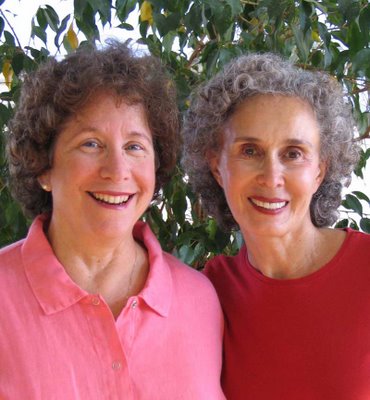
Family Relationships

Join other women in the sandwich generation - share ideas and solutions as you learn to nourish family relationships without starving yourself.

Friday, June 15, 2012

100 Blogs to Visit


Have you visited these 100 blogs, named best of the best on the web? Compiled by G34Media.com, they include, among others, blogs about food, travel, humor, social media, finance, celebrities, hobbies, fun, and - in the category of love/sex/dating/relationships - OURS! So, as a reader of Nourishing Relationships and HerMentorCenter, consider yourself in the know about where to go when you surf the web. And come back here often to read more about improving your family relationships as you continue to nurture yourself.


Labels: , , , ,

Monday, February 27, 2012

Teaching Our Teens about Celebrity Substance Abuse

At the 84th annual Academy Awards last night, Whitney Houston, the female lead in 'The Bodyguard,' was one of Hollywood's beloved who was memorialized.

Whitney Houston was a celebrity with a unique singing style, but for years battled addiction. She died an early death at 48, struggling with self esteem issues and worrying she wasn’t pretty or good enough.

Some of those around Whitney condoned her erratic behavior and basked in her limelight. Maybe they didn't look out for her well being, or just weren't able to save her. Her story reminds us of other celebrities our young people emulate, like Michael Jackson, who experienced the psychological turmoil that can accompany fame.

As a member of the sandwich generation, you may have teens struggling with peer pressure and experimenting with drugs or alcohol. These are challenging times, but there are lots of supportive resources for them to choose from - so talk to your kids. And encourage them to get help, to rely on family and friends who have their back, to develop an exercise program or a spiritual path. And choose from the ideas below as you help them find their way:

Direct them to the help they need now. If their actions involve excessive acting out, frequent conflicts, avoidance or depression, they may be using drugs or alcohol. Encourage them to work with a mental health professional or substance abuse counselor. It's important that they develop positive self-regard, confidence and life skills. The treatment should focus on areas like anger management and stress reduction.

Try to shield them from the negative impact and consequences. Their behavior may stem from an emotional conflict, social problems or a hunger deep inside. Focus on your relationship and build trust so they will feel more accepted, nurtured and confident to take a step on their own behalf. Give them support as they begin to talk about what's going on.

Give yourself an emotional break. As a parent, you may be feeling frustrated, angry, disappointed. Take a deep breath and try to focus. You can change how you feel by reframing pessimistic ideas into neutral ones. Learn about constructive responses to difficult situations and you'll have access to more choices about how to react.

Practice open and honest communication. When you continue to get worried and upset, you're giving your kids the message that you don't trust them. Talk out conflicts and misunderstandings. Use the same conversational etiquette you would with anyone else you care about and respect. Teach them active listening skills and sending I-messages. It is a gift that will last a lifetime.

Log on here Wednesday for more practical tips about helping your kids withstand the inevitable pressures that accompany the teen years.

Want to be the lucky winner of our photo contest? CLICK HERE FOR DETAILS. Email a picture of your family to Mentors@HerMentorCenter.com. Include a few sentences about why the photo means a lot to you, the emotions it evokes and why. You'll be hearing from us, one way or another!

Labels: , , , , , , , , , ,

Saturday, February 25, 2012

Best Senior Living Blogs

We're pleased to share exciting news with you. Our blog, Family Relationships , has been nominated by SeniorHomes.com to the Best of the Web 2012 in the Best Senior Living Blogs by Individuals category. The Best of the Web 2012 contest highlights senior living and caregiving websites, blogs, and resources on the web for consumers and senior living professionals.


If you've enjoyed our posts on caring for aging parents, please visit our nominee page. Follow the instructions at the top of that page and vote for us to become a finalist. You can even cast a ballot twice in this contest on our nominee page, once by liking us on Facebook and once by recommending us as +1 on Google. Voting ends on March 2 - please give us your support!

Labels: , , , , ,

Wednesday, May 04, 2011

Your Relationships with Mom May be Complicated this Mother's Day

Are your plans for Mother's Day affected by your complex feelings for your aging mother? Your relationship with your mom is likely to be full of twists and turns, evolving over the years as you change. One Sandwiched Boomer ruminates about how she transformed her connections with her mother:

When Carol was a teenager, she felt that her strong mother was trying to control her. She looked forward to getting out from under her thumb and moved far away when she married and raised her own family. As her children matured, so did Carol. Soon she recognized that she admired and respected many of her mother’s characteristics - her sense of responsibility, her independence, her humor, her common sense. She forgave her mother and began to reach out to her: After she had a stroke, I moved her into our home. We all became closer and I began to understand her better. I wouldn't trade that year for anything.

On Monday, we shared some tips with you for making Mother's Day especially meaningful this year. Here are 4 more to consider as you plan for this Sunday - and the rest of the years you have together:

The old fashioned art of letter writing can help you develop a closer bond. Write her a letter about how grateful you feel to have her as your mother. Sharing these feelings increases good memories about the past and leads to greater personal satisfaction for both of you.

If you have some old issues to work out with your mother, you may be able to move forward in addressing them by writing her an apology letter or a letter offering forgiveness. When you apologize, you free yourself from shame or guilt and your mother from dwelling on anger or resentment.

When you forgive your mother for some past transgression, it doesn't necessarily excuse the action, but does free you from ruminating about it. Forgiveness releases you from the past; it is a gift that you give to yourself.

On some of your visits after Mother's Day do a chore to ease her burden - go grocery shopping together, accompany her to the next doctor's appointment, cook a delicious meal with enough left over for the next day.

Enjoy your mother on Sunday and savor these moments. Reflect on the positive feelings you have from the past and cultivate rich memories now to sustain you in the future. And have a happy Mother's Day yourself.

Labels: , , , , , , , ,

Monday, May 02, 2011

Nurturing Your Mom on Mother's Day with More Than Chocolates

With Mother's Day less than a week from now, are you still searching for that perfect gift? Sending flowers, candy and greeting cards are de rigueur for Mom but, as members of the Baby Boomer generation, we recognize that what your aging mother really wants on her special day is to feel nurtured.

Sharon's mother, who had been diagnosed with Alzheimer's disease, no longer recognized her. Sharon felt very sad but resigned. "Mom is so sweet, even if she doesn't know who I am most of the time. It's now like I’m her mom and I feel good being able to help her when I can. I just want to get her the best care possible." Sharon’s attitude helps her understand the changes in her mother and plan what to do now.

Sandwiched Boomers recognize that aging is a natural progression and a normal part of the life cycle. But just as it is difficult to accept your own aging, when you witness your mother regressing, the facts of life provide scant comfort. Acknowledging your mother's decline in well-being, becomes the first step in your plans for realistic long-term care for her. This week, as you're planning for Mother's Day, we've got some tips to help your Mom know you care about her more than just during those 24 hours:

The gift of time is one of the most precious presents that you can give your aging mother. Spend some quality time with her talking and reminiscing. Look through old family photographs and ask her to tell you stories about when she was a young girl. The time you spend with her now will sustain you both.

Make your mom feel more valued by concentrating just on her - plan another date with her for lunch or shopping. When you pay attention to the details, you'll find you enjoy her company even more. Talk about what you are doing, appreciating and enjoying. Linger awhile in order to make it last.

Research shows that money, title, or good health has less effect on life satisfaction than strong personal relationships. So this Mother's Day, make a commitment to do what you can to improve your relationship and give your mom and yourself positive memories.

Labels: , , , , , , , , ,

Wednesday, December 15, 2010

The Reindeer Keeper

Today we are happy to welcome Barbara Briggs Ward to Nourishing Relationships for a virtual book tour. She's written a lovely book, The Reindeer Keeper: Believe Again, arriving just in time for the holidays. Barbara has a long history as the author/illustrator of children's books, especially the Snarly Sally series, and The Reindeer Keeper is her first work of fiction for adults.

NR: Welcome, Barbara. We're sure our readers would like to know more about you. For instance, what influenced you to become a writer?

Barbara: Growing up in the country provided me the biggest influence on the rest of my life for it offered me a constant backdrop to explore - and the more I played and explored, the greater my imagination grew. There were 4 houses in a row - all filled with relatives - aunts, uncles, cousins, grandparents, dogs and cats. My cousins and I had fields and pastures, creeks and old barns in which to play. But it was in a chicken coop converted into a clubhouse and filled with the desks/books/chalkboards of an abandoned one-room schoolhouse where we spent the majority of our time. If you go to www.thereindeerkeeper.com you can follow my blog, which chronicles those times growing up in the country.

NR: When did you start writing?

Barbara: I started writing when I'd spend hours playing in my chicken coop. There was something about that old place that intrigued me. Having my favorite books around me added to the wonder. After receiving a handmade pine desk as a Christmas gift from my grandfather, I knew I wanted to be a writer - but I don't think I understood what that meant. I kept cutting paper into little pieces and folding them to make little books. I kept scribbling and drawing with my crayons. I kept scribbling as I grew up. It was just something I did. After my first child was born, scribbles turned into endless storylines. I was hooked. Intrigue turned into passion. I had to write. I started writing because I couldn't stop.

NR: What was your inspiration for The Reindeer Keeper?

Barbara: Because my father was a funeral director, I was keenly aware of how beautiful the gift of another day really is. It offers us another chance. Obituaries always fascinate me, for they chronicle what individuals did during their time on earth. The thought of knowing when we began and not having control of the end date inspires me to make a difference; to take each day and live it to the fullest while along the way appreciate the little things.

The specific inspiration for The Reindeer Keeper was a snowfall on Christmas Eve. Watching those big, beautiful flakes float by the window with Christmas lights muted in the distance filled me with an urge to write a story of the season for adults - entwining that wonder of Santa Claus we all once felt with the real life we face each day. Besides having my grandfather's barn in my thoughts, that's all I knew when I sat down to write the story but as words came out, the characters took over.

NR: The Reindeer Keeper deals with relationships on so many levels. Your main character, Abbey, struggles with her own feelings of resentment towards her mother, which are so strong that her immediate family avoids the subject of her mother in any form. From where did you draw such conflict of emotions between a mother and a daughter?

Barbara: Much of what I wrote about this complicated relationship comes from my own experience with my mother. I believe even when no such conflict exists between the two it is a challenging relationship especially as the daughter grows and spreads her wings, forging her own path and in doing so, reflecting back on how her mother handled her own path and decisions she made along the way. I now find my own daughters doing the same.

With my mother it was a build up of resentment that only widened as the years went by. I was lucky though, for in the last 6 months of her life, being the only sibling living nearby I was "forced" to deal with her. Looking back, those 6 months were a gift for slowly the walls crumbled and slowly we began to talk and slowly I learned that underneath all the anger and hate I loved her more than I could have ever imagined. I'd sit at the end of her bed and listen and she would do the same. We'd laugh. We'd cry and from that period of time I discovered how unfair it is to judge others when in fact we are not walking in their shoes. When my mother passed away I felt at peace with her. I miss her more than I ever thought possible.

NR: In the book the relationship between the two main characters - Abbey and Steve - is that of a strong, solid marriage; rather refreshing in this day and age. How were they able to do this, considering all they had to deal with?

Barbara: In The Reindeer Keeper Abbey and Steve do have a good marriage but it is also revealed how they have been able to stay so happily together over their 30 years of marriage while confronting all the difficulties life has thrown at them. They communicate. They give and take. They understand each other; their strengths, weaknesses, body language. They enjoy each other's company; laugh and cry together. Of course they've had their bumps in the road but bottom line, their love has only deepened from when they first met in the '60s. And as they face their greatest challenge it is that strength between the two of them that carries them through the darkness.

NR: How do you use language to differentiate characters and settings?

Barbara: I use language to help describe a character, to set the tone and emphasis in describing settings. In The Reindeer Keeper there is an odd little man whose use of language is short and abrupt but as you read along and learn more about this character, that all makes sense. A reader can feel close to a character by learning a character's language. This adds to that feeling of getting into the book itself.

NR: What's your favorite book? Favorite word?

Barbara: I don't have a favorite book. I have two favorite authors, both rooted in my childhood and that chicken coop. It was inside that coop where I read all the Laura Ingalls Wilder and Lousia May Alcott books. And if I wasn't reading I was folding those pieces of paper and writing books.

My favorite word is morning for it offers hope and a new beginning - a gift of another day. Watching the world wake up yet again is empowering; seeing the sky turn from black to hints of daylight is inspiring.

NR: Barbara, thank you for inspiring us today with your candid answers. Readers, now it's your chance to continue the discussion about The Reindeer Keeper with Barbara by asking your own questions through the "Comment" link below.

Labels: , , , , , , ,

Monday, November 29, 2010

Tips for Grandmothers During the Holidays

This time of year, the role of grandmother can be most rewarding, especially if you and you grandchild spend some of the winter holidays together. Ours just visited for Thanksgiving and we all enjoyed being together to celebrate. While buying and giving presents is important, the most significant gift you can give your grandchild is your presence, attention and love. And you know the best gift you can receive back is a great big hug. For some budget-friendly and fun activities to do with your grandkids this holiday season, here's 100 free things to choose from.

Generations of family gathered together for holiday dinner

'Grand Mothers' come in all sizes and shapes, as well as names - Grandma, Nana, Bubbe, Granny, or whatever special name your grandkids have for you. Grandchildren may live near or far; be in preschool, grade school, college or beyond; from intact or blended families. What grandmothers share in common is a deep desire to maintain a loving bond with their grandchildren. Here are some tips for creating enriched relationships:

When your grandchildren live far away, the most salient issue is developing connections. You probably don't have the opportunity to see them more than every few months, particularly in this economy. You will likely need to enlist the aid of your adult children to help you form the bonds between you and their kids. How you connect will change as they grow and will certainly flow from your own interests and creative talents. Whatever you choose, your efforts will be well worth it when you see how excited they get when you visit. For some new ideas about connecting at a distance, take a look the article on our HerMentorCenter.com website, Create Meaningful Bonds with Your Grandchildren across the Miles.

When your grandkids are babies, help them develop a full impression of you. You can best do this by using all the sensations that babies respond to. Let them begin to identify your voice by cooing to them on the phone or sending them tapes or CD's with you singing, reading or speaking to them. They can begin to recognize your face from pictures of you in their room or on the computer via iChat or Skype. Have a special song or book that you share with them as you cuddle on each visit. Wear the same perfume - or even a dab of vanilla – whenever you visit so that they learn to associate that with you.

Even if you can't spend the holidays together, continue to use phone calls, letters, cards, texting and emails to stay in touch. After a visit, you can create a scrapbook for them of pictures and souvenirs from your time together. Their memories of you will be enhanced when they have something tangible to look at and savor over and over again, like Family Photo Books. You can write them stories or poems about what you do together, with them as the star of the piece.

During the rest of the year, learn about your grandchildren's activities and interests so you can engage with them about topics that mean a lot to them. Pay attention to their friends when you go to their birthday parties, sports events or special occasions - then you can ask about them later when you have returned home. Integrate what you find out and keep up with their changing activities. All of your efforts will help cement the connections between you.

Check back with us again on Wednesday when we’ll have some more tips for you grandmothers to put in place this holiday season.

Labels: , , , , , , , , , ,

Wednesday, September 15, 2010

The Empty Nest in Tough Economic Times

These are tough times, with so many baby boomers suffering from unemployment, money problems and foreclosure. There are plenty of reasons to feel anxious and sad. And if you're dealing with the empty nest, that may feel like the last straw.
ST. PAUL, MN - SEPTEMBER 02:   A woman cries during Actor and former U.S. Sen. Fred Thompson's (R-TN) speech on day two of the Republican National Convention (RNC) at the Xcel Energy Center on September 2, 2008 in St. Paul, Minnesota. The GOP will nominate U.S. Sen. John McCain (R-AZ) as the Republican choice for U.S. President on the last day of the convention.  (Photo by Chip Somodevilla/Getty Images)

Give yourself an emotional break and see what happens. Understand that even though your kids have moved out, you're still needed although not in the same way. Letting go of your parenting responsibilities means letting go of the family role you've played so far. Sit back and breathe in deeply as you appreciate this opportunity to create different relationships within your family.

Practice letting go. Cry if it helps - it's natural to feel plenty of emotion at this turning point. Try to visualize one door closing and another door opening. Relax into feeling more calm and carefree. Let yourself get excited by the possibility of exploring what you want to do with all the free time you now have.

Decide to write regularly in a journal. As you think about all that is happening in your life right now, you will naturally acknowledge the pressure you're feeling. And by identifying and dealing with what is going on for you emotionally, you'll learn to take more control over this process of change. You'll find that journaling is a great tool for reducing stress and increasing self-awareness.

The Newsletter Library of HerMentorCenter.com is packed full of information that can help you move forward. You'll learn from other womens' experiences. And then why not buy Taking Control of Stress in a Financial Storm for only $2.45 - it will change your attitude and help you cope in these difficult times.

Labels: , , , , , , , , , , , , ,

Monday, September 13, 2010

Parents Refusing to Leave Campus

When you dropped your kids off at college, were you the one dragging your heels? This generation of parents has been described as clinging, especially when they refuse to leave the campus. In fact, a number of college administrators have introduced blunt language into orientation schedules, including a specific time to say goodbye. The message is clear: release your anxieties and your adult children to this adventure, and enjoy the ride yourself. The lesson, not taught in the traditional curriculum, is about letting go. Parenting expert, Michelle Borba, gives practical advice for parents of college bound kids.
Parents helping young woman move
Some colleges have developed parents-only workshops for those who are intensely involved in their child's academic career. Liaisons give explicit advice on how to minimize the pain of separation and hovering behaviors. 'Velcro' parents may be invited to a reception while the students meet their roommates and begin to settle in. Read more about this in the New York Times.

Does all this feel like a conspiracy to exclude you? After all, it's almost as big a transition for you as for your kids. But as you say goodbye to your adult kids, learn to say hello to yourself.

Recognize that you may feel ambivalent about this new chapter. Bond with friends as you discuss your situation with those who care about what you're going through. You'll discover that you have a lot in common and that they feel the same about their own experiences - this can be validating and comforting.

Log on Wednesday for practical ideas about how to put yourself front and center. Click here right now to get started today. On HerMentorCenter.com, you can read lots of articles about family relationships, sign up for our complimentary newsletter and download a free ebook about how to reach your goals.

Labels: , , , , , ,

Friday, May 28, 2010

Helicopter Parents: Give Your Kids the Gift of Independence

Do you recognize yourself – hovering over your kids' lives, kind of on the fringe and not really letting them figure it out on their own? The best thing you can do is give them more responsibility and have them handle their own issues without stepping in. Try to let go a little at a time.

Minimize financial assistance. Sure, you need to be responsible for the basic necessities. But give your children a weekly allowance and, beginning in high school, encourage them to get part-time jobs. They need to know how to budget their money. Your ultimate goal is to prepare them to live on their own. If they can't manage, boomeranging back may become the only option and everyone pays a price.

Empathize without actually solving their problems. Ask what they think they should do about any situation. Brainstorm about the possible solutions. And, in the end, encourage them to decide what's right for them.
Thinkstock Single Image Set
Don’t enable their dependency. Technology makes it too easy to stay connected. Tell your kids you'll be there when they need you, if being in touch regularly is satisfying to both of you. But establish a middle ground and put some limits on the contact.

We know that watching them grow up brings mixed emotions. As you face the challenges that come with letting go, you may find that it's harder than you imagined. But do mark that fine line between support and intrusion. Because, as your children go off on their own, don't you want them to be independent, ready to form healthy relationships and get the dream job? The same as your parents wanted for you.

Want a comprehensive report on Helicopter Parents? Read a feature article on Time.com about The Growing Backlash Against Overparenting. Then sign our email list to the left of this post and download a complimentary ebook with practical tips to help you let go.

Labels: , , , , , , , ,

Friday, April 23, 2010

Earth Day Plus One - Now What?

Earth Day was yesterday. So what do we call today?
Earth Day with earth

In the heat of the moment, enthusiasm for making a change - protecting the earth, creating better family relationships, making the world a better place, loosing those stubborn extra pounds - can be great. But what happens the next day? How can you build on your decision to improve? How do you actually vary your routine and transform yourself? Inspiration is not enough - now you need to implement your choice in a clear and definite way. Here are 8 tips on how to go about it:

Acknowledge your ability to change. Recognize that there may be limits to what you can accomplish but that you can take it one baby step at a time. Give yourself permission to begin the process by setting a realistic goal and without expecting perfection in your results.

Write out specific goals for yourself and break them down into smaller, more manageable short-term objectives. Set up a timeline for tackling each task. The more you formulate your plans and establish concrete steps, the greater the likelihood that you will follow up on them.

List your personal resources and inner strengths
- they will help you attain your objectives and eventually achieve your goals. Draw on them as you have when you made other changes in your life.

Make a public commitment to the change you are pursuing. This will help you take yourself and your decision seriously and increase your motivation to continue the process even when you face barriers along the way.

Maintain your energy by rewarding yourself for each objective you accomplish even as you keep your focus on the future goals you are striving toward. Positive reinforcement will keep you motivated to continue your process of change.

Draw on the support of family and friends. They want you to succeed and will give you the help you need. Join with others who have similar goals - having someone share your journey makes the whole process more enjoyable.

Don't beat yourself up when you backslide. Change can be overwhelming and you need to be patient with yourself. Refine your strategies as you learn from your mistakes. Have a Plan B ready and continue to improvise as you discover what works best for you.

Enjoy the satisfaction and feelings of power that come from making real changes. You've earned it! And you can use your new skill set to achieve success in other areas of your life as well. If you're a Sandwiched Boomer, resolve to use these tips to take better care of yourself.

Want more tips for making lasting changes? Sign up for our free newsletter, Stepping Stones, and receive a complimentary copy of our ebook, Courage and Lessons Learned. Look to the left of this post to subscribe - and begin a new day.

Labels: , , , , , ,

Monday, April 19, 2010

Nourishing Relationships - Literally as Well as Figuratively

Since we write a blog with a name like Nourishing Relationships, you know that we recognize the importance of nurturing - encouraging growth and development. Generally we focus on improving and strengthening family relationships with partners, growing children and aging parents so that everyone can thrive. For many women, a significant part of caregiving involves nourishing their family and friends in a literal way - by preparing food for the body as well as for thought.

Breaking bread with family and friends has gone on since the beginning of societies and communities. Eating together reinforces ties as diners linger over the meal, sharing stories and just enjoying one another. Food is more than just sustenance - it sends a powerful message of love and caring.

As foodies ourselves, we are both always on the lookout for new recipes and exciting presentations. So, over the weekend at a niece's baby shower, I was delighted to meet two engaging young women who blog together about food, sharing recipes with their readers. Danielle and Erin blog at www.crispytarts.blogspot.com and present some mouth-watering recipes - with beautiful pictures to accompany them.
You can stop by their blog and try out some yourself - I'm planning to go for the lemon bars.

What about your own relationship with food? Are you challenged by the perpetual cycle many women encounter - of dieting and then "falling off the wagon?" Remember that you need to take care of yourself before you can successfully take care of others. If you've made lifestyle changes that honor both a healthy body and at the same time the enjoyment of good food, why not share your solutions here? Nourish us with your wisdom!

Looking for just the right nudge to begin making changes in your own life? You'll find practical tips laced in with inspiring stories of strength in our new ebook, Courage and Lessons Learned. Simply sign up for our free newsletter, Stepping Stones, and you will receive a complimentary copy of the ebook. You'll find the subscription link just to the left of this post or at our website, www.HerMentorCenter.com. And a healthful bon appetit!

Labels: , , , , , , ,

Tuesday, March 09, 2010

Stepping Stones Through the Years

To celebrate the 75th anniversary issue of our newsletter, Stepping Stones, this week we are highlighting some of the past issues. You can find archived copies on our website, www.HerMentorCenter.com. Click on "Newsletter Library" to read Stepping Stones going all the way back to 2001. For the articles appearing in newsletters after 2006, click on the link labeled "Nourishing Relationships." Here are some tidbits from some of those past newsletters:

In one newsletter, we suggested you initiate a conversation with your partner about your relationship:

We recognize that it can be difficult to begin this kind of a discussion. Eleanor describes her situation - does it sound familiar? "And then there is this communication thing. When I try to talk to my husband about what's going on with me I get one of two reactions. The first is a blank stare and I become aware that he hasn't the foggiest notion what I mean or what I need from him. The second is an annoyed response, with the realization that we are going in two very different directions."
Elderly Couple Looking Disappointed

Communication is as important at this stage in your life as it has always been in maintaining a strong and satisfying relationship. We have compiled a few questions to get you started in your exchange of ideas. It may be most helpful to first answer them separately and then come together to discuss your thoughts. Listen to your partner without judgment; stay positive and respectful of his ideas and opinions.

In another, Karen told her story about the diagnosis of a serious chronic illness and we reviewed some steps for simplifying life:

"It took several years to accept my new limitations, to mourn the old dream and to find a new one. Now, I pace myself and prioritize differently. I plan carefully to preserve my energy so there is time for work, rest, friends and family. There is less of each than I would have wanted but the balance makes it satisfying."

Karen has chosen to create a positive outlook on life in response to her negative health situation. Through a series of steps she has developed a philosophy of "less is more" that enables her to truly enjoy her life. She has adapted her interests and activities to accommodate her changed situation. She still does what is important to her - just differently.

Another issue of Stepping Stones focused on a Sandwiched Boomer coping with caring for an aging parent as she changed from Daddy's little girl to Dad's caregiver:

It was painful for Tricia, as her father declined in his 80's. "Dad and I shared such fun times together when I was young - he taught me how to ride a horse, shoot a BB gun, ice skate, stand on my head. He was always so active. Last year, I had to insist that he not drive anymore. Now, seeing him shuffle around just breaks my heart."

It's difficult to watch as your parents deteriorate. And they may complicate the situation by being in denial about their vulnerable condition. It's up to you to acknowledge the true state of affairs and be straightforward in dealing with their increasing fragility. A number of issues must be discussed, uncomfortable as that is - health care directives in an emergency, long-term care options, the designated power of attorney, distribution of income and assets. Yet after evaluating the practical issues that need to be managed, you will feel more in control as you gather detailed information and make arrangements for the most immediate concerns."


So whether you're working on the relationship with your life partner, coping with illness and stress in your life or caring for an aging parent as a Sandwiched Boomer, our newsletters have tips to help. To receive your own copy of Stepping Stones, simply click on the link below and to the left labeled "FREE Newsletter." Once a month, you'll receive Stepping Stones in your email box to read and enjoy at your leisure.

Labels: , , , , , ,

Wednesday, December 09, 2009

The Masks We Wear as Our Kids Grow Up

You deserve the life you want. If you're having problems with changes, in your job, finances or family, take the time to evaluate the situation. Understanding and working through the impact is one of the most important things you can do for yourself.
A comedy and tragedy mask
As members of The Sandwich Generation, just like these masks, sometimes you may not know whether to laugh or cry. Handling the responsibilities of a family in flux can be overwhelming - especially when you growing kids are working toward moving out. As they experiment with being more independent and on their own, there can be tension all around. And when communication stalls, you can feel frustrated, even angry.

If you're confused about what to do next, consider seeing a family therapist. The guidance of an expert can make a big difference and talking together can be helpful all around. As you begin to put unfinished business to rest, everyone will be free to express themselves more directly. Then you can decide what family problems to work on and begin to move forward, step by step.

Log on to www.HerMentorCenter.com and go to Nourishing Relationships on the Home Page, where you'll find tips on how to manage family issues. Or click on the title of this post to read an article about Loving Your Kidults by Letting Go.

Labels: , , , , , , ,

Link

Wednesday, October 07, 2009

Tips for Adjusting to the Empty Nest

"My only child is in her first year of college and, even though I've always worked and she's been 'on her own' for years now, I really miss her. I can hardly wait for parents' weekend." This is a commment from one of our readers who read yesterday's post about the empty nest.

Do you associate the empty nest primarily with children leaving for college? For some parents, the greatest feelings of loss occur when their adult children get married. The changes during this transition can be dramatic and traumatic as the young couple moves on to create their own independent family unit.

Prepare for a greater sense of separation. As you find your adult children distancing more over time, realize that this is natural and normal. They have their own lives now and so do you. The details and activities you share may be less frequent but can be just as meaningful.
Thinkstock Single Image Set

Understand that you are still needed, although not in the same way. Letting go of your parenting responsibilities means letting go of the particular family roles you've played so far. Breathe deeply and appreciate this opportunity to create different relationships within your family.

Learn more abut adjusting to these changes by clicking on the title of this post. That will take you to HerMentorCenter.com and an article about how to Play your New Role as Mother-in-law.

Labels: , , , , , ,

Link

Tuesday, August 18, 2009

You as a Mother-in-Law

Tomorrow we welcome Dr. Susan Lieberman to our blog for a Virtual Book Tour highlighting her book, The Mother-in-Law's Manual: Proven Strategies for Creating and Maintaining Healthy Relationships with Married Children. Please come with your questions and comments for her. She has graciously and generously agreed to be available both Thursday and Friday of this week to give you some answers. So think about what concerns you in your relationships as a MIL and prepare to pick Susan's brain this week.

In the meantime, you can find some articles about improving the relationships with your children-in-law on our website, www.HerMentorCenter.com. Click on the post title above to take you to our article about getting along better with a daughter-in-law, From Baby Boomer to Mother-in-Law: How to Play Your New Role. And, once you are on our website, feel free to explore other sections of our Nourishing Relationships article archives. An article you will find in the Expanding Family article archives, What You Can Learn from President Obama's Mother-in-Law, focuses on relationships with sons-in-law.

Labels: , , , , , , ,

Link

Tuesday, July 07, 2009

Video Tips for Regaining Control in Financial Chaos

With the stimulus package having little effect and the continued loss of jobs, the recession appears to be continuing unabated. Still, you, and other Sandwiched Boomers, can regain some control over your situation by educating yourself, evaluating your finances and making the hard decisions that lead to changes in your lifestyle. Watch our video for more coping tips.


To read some tips about how to maintain and even strengthen your family relationships during this time of financial belt-tightening, click on the title above. It will link you to wwwHerMentorCenter.com and our article, "Marital Harmony Despite Financial Woes."

Labels: , , , , , , , , ,

Link

Monday, July 06, 2009

Video Tips for Coping in a Recession

Thriving during any crisis may seem impossible to achieve, but you can learn techniques to help you deal with these uncertain times. All this week, we will be featuring tips to help you cope with our current economic downturn. Our video today lets you get started.


For more suggestions about how to cope with this difficult economy, click on the title above to take you to our website, www.HerMentorCenter.com and the article, "How to Achieve Family Flexibility in Times of Financial Flux."

Labels: , , , , ,

Link

Friday, July 04, 2008

Today is Independence Day and, as we finish up our series on grandparenting, remember to respect the independence of your adult children who are parents themselves.

You have spent years raising your sons and daughters and now allow them to raise their own children. A lot has changed since you began to parent – new theories of child-rearing, new equipment, new techniques. Don’t assume that, just because you did things in a certain way, it's the best. Your relationship with your children will change as you begin to see their capabilities in a different light. When you hold back, you will notice how naturally and competently they love and care for your grandchildren.

In valuing your children’s parenting style, you will realize that the benefits can be immeasurable. Mark said he was happy that, "By taking our cues about the grandkids from our daughter-in-law, we've earned her confidence and trust. We've been given our stripes and the reward, an on-going relationship with our grandchildren, benefits everyone." Herein lays a second chance to make a difference. And a fringe benefit to consider is seeing these relationships as an investment in the future – your grandkids may eventually be taking care of you.

Whether you're celebrating with family or friends, or enjoying a quiet and relaxing day, happy 4th of July!

Labels: , , , , , , , ,

Thursday, July 03, 2008

Yesterday Cari commented on the process that slowly evolved after her grandduaghter was born - and that's an important point. As you very well may know, if you jump in too quickly without assessing a situation, you're more likely to get into trouble.

As a club sandwich boomer with a first grandchild, try not to offer advice unless asked. You don’t have to say whatever comes to mind. If your suggestions are requested, present them in an open-ended way so that your adult children are free to accept or reject. Remember how you felt when your mother or mother-in-law shared their opinions about how to raise your children?

Talk about the challenges. Don’t be afraid to communicate with your children in a non-confrontational way. You will all be more comfortable and appreciative of your relationship if you don't let issues fester. However, don’t expect that the results of your talk will follow a pre-determined path. Often the fact that there is conversation is more important than the outcome of any one particular discussion.

Be aware of your feelings. You may be ambivalent about babysitting often when it begins to impact the pursuit of your personal interests. Choose a balance between your own needs and the responsibilities of your grand-parenting role. It's necessary to set the kind of limits that work for you.

Labels: , , , , , ,