Family Relationships

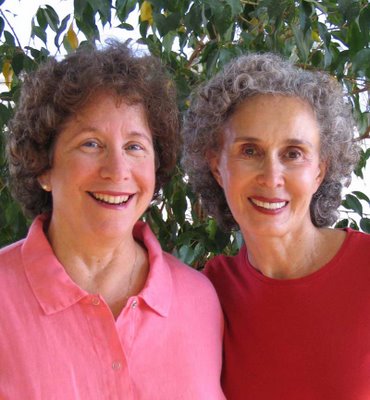
Join other women in the sandwich generation - share ideas and solutions as you learn to nourish family relationships without starving yourself.

Monday, November 14, 2011

Honoring Veterans Every Day


Just in time for Veterans Day, in an overwhelming display of bipartisanship, the U.S. Senate passed a bill providing tax credits to employers who hire unemployed veterans. In addition, Congress will be shepherding through the legislative process a "VOW to Hire Heroes Act" in expectation of early passage. President Obama also announced several administrative programs to help veterans find work and train for new careers. These jobs initiatives are particularly important since, according to data from the Bureau of Labor Statistics, veterans have an overall unemployment rate of 12.1 %, several points higher than for non-veterans.

On Friday, we honored the brave men and women who have served our country in the Armed Forces, leaving their families to protect ours. But don't veterans deserve our respect every day of the year, not just on November 11th? If you want to express your gratitude, but don't have the ability to hire a veteran, there are numerous organizations providing important services to veterans as well as comfort and assistance to their families.

A government website can help you search for volunteer opportunities to help military families in your community.

Joining Forces is a national initiative that provides members of the Armed Services and their families opportunities and support.


The Semper Fi Fund provides immediate financial support for injured and critically ill members of the U.S. Armed Forces and their families.


The mission of The Wounded Warrior Project is to honor and empower wounded soldiers with a variety of programs to strengthen Mind, Body, Economic Empowerment and Engagement, including PTSD evaluation.


Fisher House gives families the chance to be close to their military loved ones who are hospitalized and provides scholarships to support programs improving the quality of life for military families.


The Tragedy Assistance Program for Survivors (TAPS) provides comfort to those who have lost a loved one in service to America.

Let's work to help these programs and services make it easier for our brave veterans to transition to civilian jobs and life at home with dignity. They deserve our appreciation and recognition every day.

Visit our blog again on Wednesday for a Virtual Book Tour with Dr. Jeffrey Rubin. He'll be answering questions about his new book, The Art of Flourishing.

Labels: , , , , , , , , , ,

Monday, June 13, 2011

Talking to Your Kids About Anthony Weiner's Lies


The recent media frenzy about the behavior of Representative Anthony Weiner highlights the dangers of two activities - sexting and lying - and provides a clear teachable moment to use with our teens. We would hope to have good role models for the actions we want to encourage but given the dramatic effects of the inappropriate messages and photos Weiner sent and the devastating results of his untruthful words, we can talk to our kids about the serious consequences of making bad decisions.

Weiner is under fire by his own party for his behavior, particularly for lying to the press, his staff, constituents, colleagues, friends and family about his participation in the sexting incidents. As parents, we know that young children lie - generally about once every two hours - sometimes to get something they want or to gain attention but usually to avoid getting in trouble and being punished. Often the lines between make-believe and reality become blurred.

But when do youngsters' little 'white lies' become teenagers' big destructive whoppers? And how do those teens behave as adults out in the world? The case of Congressman Weiner provides an unambiguous example of the slippery slope of lying. As Sir Walter Scott wrote two hundred years ago, "Oh what a tangled web we weave when first we practice to deceive." Once you have begun to create a falsification, it's hard to extricate yourself.

According to the Josephson Institute of Ethics, more than one in five teens reveal instances of lying, cheating or stealing in the past year, with 80% saying they have lied to their parents about something significant. Teens are five times more likely than those over 50 to believe it is necessary to lie and cheat in order to succeed. As they move out into the world at large, these same young adults are two to three times more likely to misrepresent themselves in a job interview, lie to a significant other, keep money mistakenly given to them.

Why do children resort to these kinds of misdeeds? There are many possible reasons. Ethical standards may be seen as flexible guidelines, not rules. Poor role models abound in society, entertainment, political and sports worlds. Kids face high expectations and the pressure to succeed coming from parents and schools. There has been a normalization of certain illegal activities on the Internet - plagiarism of papers and reports, downloading pirated music and videos. And some baby boomer parents have transferred their signature emphasis on "me and my needs" to their offspring.

So what's a parent to do?

Be the role model you want you kids to emulate. And find other good examples of adults behaving well. They can help you reinforce the examples of integrity, authenticity, good citizenship that you want to encourage. Our boys looked up to John Wooden as they were growing up - you can find others in your own community.

As in other aspects of parenting, keeping lines of communication open is a good start. When your children are young, encourage and praise their honesty and let them know clearly what is unacceptable. As they mature, continue the dialogue about the real consequences of their behaviors, including lying. The American Academy of Pediatrics has a white paper with tips for improving communication with your teen.

Help your teens focus on learning for it's own sake without obsessing about tests and grades. Let them know that they don't have to be perfect to be competitive. When self-esteem is low, cheating and lying increase, so check out some tips from the American Psychological Association to facilitate building their self-confidence, resilience and self-respect.

As a member of Congress, Anthony Weiner's good judgment is also being questioned in terms of his use of social media as an outlet for his sexual proclivities. We'll talk more about that and how it affects your teens on Wednesday.

Labels: , , , , , , , , , , , ,

Monday, January 10, 2011

Congresswoman Gabrielle Giffords and Stress in America


The weekend shooting of Congresswoman Gabrielle Giffords - and the attendant murders of six bystanders - has again pushed the American psyche into overload. Though out of harm’s way themselves, many people experience stress and anxiety when faced with these kinds of uncontrollable situations. While it appears the gunman's serious mental illness motivated the shooting spree, the horrendous act itself has raised stress levels all across the United States, already high due to the poor economic climate. In fact, a recent national health survey found that 75% of the general population experiences at least some stress every two weeks, with half of these rated at moderate or high levels.

According to the American Psychological Association, key findings from their recent survey indicate that stress levels have increased over the past five years, impacting both physical and emotional health. Most Americans are feeling moderate to high stress levels, with many feeling overwhelmed and emotionally exhausted. The most frequently cited sources of stress are concerns about money, work and the economy. Nearly one-half of those who participated in the survey were fearful about their job stability. Over one-half also noted that family responsibilities and relationships were significant causes of stress.

What can you do to reduce your stress levels and take better care of yourself now and during the rest of 2011? The American Psychological Association has some suggestions to manage your distress in the aftermath of the shooting. And here are some of our tips to get you started:

Maintain balance in your life between personal needs, work and your family obligations. Don't over commit yourself even as you retain a normal routine. Carve out some special time for yourself even in the midst of caring for your growing children and aging parents.

Exercise moderately several times a week. Only one-quarter of those surveyed were satisfied with their level of physical activity. To increase yours, find an activity that you enjoy and will stick with - walking with friends, water aerobics, dance or yoga classes, training at the gym.

Eat sensibly, following a balanced diet of healthy foods rich in nutrition that serve as a natural defense against stress. Avoid the use of drugs and alcohol to self-medicate and limit your use of sugar, caffeine and cigarettes as they can contribute to your anxiety. Get enough rest and sleep to allow your body to recover from the stresses of the day. Over 40% of the survey respondents reported feeling fatigued on a regular basis and lacking in energy.

Use relaxation techniques. Set aside time for a regular routine of deep breathing, guided imagery, meditation, or other stress reduction methods. Decide to put off worrying - much of what you may fear never actually happens anyway. Remember to be open to the healing effects of laughter.

Using these tips can help you become more resilient as you cope with the stresses around you on a daily basis. And to learn more about how you can manage the pressures you face in our economic downturn, check out our ebook, Taking Control of Stress in a Financial Storm: Practical Strategies and Resources for Success.

Labels: , , , , , , , , , , ,

Friday, August 07, 2009

Your Personal Health Plan: 10 Tips for Self-fullness

The proposed national healthcare bill is sparking discussion across the country. Members of Congress are finding vocal constituents at town hall meetings in their districts. Is it a real grass roots protest or astroturf? When AARP representatives prematurely end a meeting because senior citizen members there challenge AARP support of the bill, frustrations grow on both sides. And when the White House posts a blog encouraging citizens to report "fishy" information about the proposed health plan, the controversy widens.

What can you do? Learn more about the House health bill yourself, ask questions and come to your own conclusions. In the meantime, decide on a personal health plan to improve your wellness every day. Our video for today includes the final two of our ten tips for increasing self-fullness. Feel free to begin with any of the tips you like - there's no deductible or co-pay involved.


Click on the post title to take you to our website, HerMentorCenter.com and the full article, Top Ten Self-fullness Tips for Sandwiched Women in our Nourishing Relationships archives. We invite you to browse around our site and blog, where you will find articles and information to help you care for your family and still nourish yourself at the same time.

Labels: , , , , , , , , , , , , ,

Link

Tuesday, August 04, 2009

Your Personal Health Plan Reduces Your Stress

The proposed national healthcare bill remains in the news as more town meetings are set up to discuss the details. The latest poll by the Pew Research Center indicates Americans are interested in the issue but currently more of them oppose the legislation than support it, 44% to 38%.

Whatever your stance on the bill being drafted by Congress, you can develop your own personal health plan that will ensure a healthier lifestyle for you. With the economy continuing to stall and family responsibilities growing, your stress levels may be climbing, especially if you are a sandwiched boomer. Today's video segment gives you some tips on how to reduce the stress by increasing your self-fullness.


If you would like more information about transforming roadblocks in your life into building blocks for a healthier lifestyle, click on the title of this post. It links you to our archives at our website, HerMentorCenter.com, and the article, How to Turn a Crisis into a Challenge.

Labels: , , , , , , , , , , ,

Link