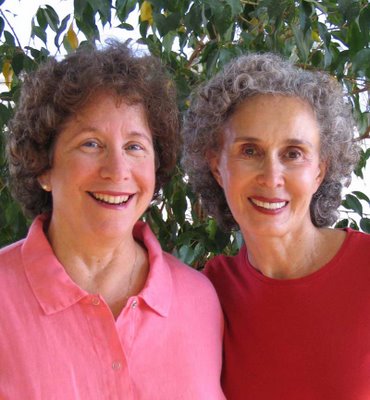
Family Relationships

Join other women in the sandwich generation - share ideas and solutions as you learn to nourish family relationships without starving yourself.

Wednesday, December 28, 2011

Thinking About Your New Year's Resolutions

Now that you've made the exchanges in your Christmas or Chanukah gifts, do you think it's time to begin thinking about the changes you want to make in yourself this coming New Year?

You may have your own unique list of improvements you want to make - stop smoking, lose some extra pounds, exercise more, live a healthier lifestyle, spend quality time with family and friends. No matter what makes up your set of New Year's Resolutions, change is never easy. If you're wondering what can help you take that first step, here are some ideas to keep in mind as you get started:

Photo courtesy of husin.sani - Flickr.com

Be open to trying something new. Let your creativity flourish as you open yourself up to new possibilities. You can strive for something that may have eluded your grasp in the past. Search for a different way to get to where you want to be.

Keep your resolutions realistic. When you honestly believe that you can attain your target, you'll work harder to move in that direction. Setting overly ambitious, idealistic targets that you're unlikely to reach can stop you cold even before you begin.

Break your goals down into smaller parts that you can complete, one at a time. Baby steps taken one after another will transport you a long distance. You'll feel freer to continue knowing that each objective is within your reach.

Visualize yourself accomplishing each objective you set. Athletes are more successful after envisioning themselves playing well. When you create a picture in your mind of going through each step you need to succeed, you'll find that the process is easier to finish.

As you likely know, making the commitment to change is only the first part of actually achieving your goals. It can be difficult to stay on track and backsliding often becomes an issue. But you don't have to do it alone. Visit our blog often in 2012 for practical tips to help you stay motivated and chart your progress as you move forward toward accomplishing your New Year's resolutions. When you reach your target, you'll recognize that all your hard work was well worth it.

Our very best to you for a safe and happy, healthy New Year as we welcome in 2012.

Labels: , , , , , , , , , ,

Wednesday, November 09, 2011

Ways to Lose Weight - A Baker’s Dozen


We welcome our guest blogger, Sandi Thompson, a nutritional therapy practitioner and certified wellness coach who is here today sharing her tips about how to lose weight:

There was an article in the Los Angeles Times about the grim data on U.S. obesity. There's only one state with an obesity rate under 20% - Colorado squeaked in at 19.8. Compare that to Mississippi with a rate of 34.4%. That means over a third of their population is not just overweight but downright FAT.

What can you to do? Here are 13 simple tips to take the bathroom scale in the other direction:

Slow down and chew your food. Quit inhaling it. Give your stomach time to signal your brain that you are full. This takes about 20 minutes. Have you lost the pleasure of dining and exchanged it for gulping?

Put your fork down between bites. This really slows down your eating, allowing you to savor your food.

Eat fruit between meals instead of grabbing a latte and a cookie. Your mid-morning and mid-afternoon hunger can be healthy - some nuts, a piece of fruit, maybe some crunchy carrots and a piece of cheese. A stroll at this time of day helps get your blood circulation going and that’s good if you have a desk job.

Stop drinking anything about 20 minutes before a meal. This creates a better environment in your stomach for digestion. If you have to drink with your meal, take small sips. Better digestion means more nutrients are absorbed. You may experience fewer cravings.

Go for a walk after dinner. This doesn’t have to be a race. A 20 minutes family walk after loading the dishwasher can take pounds of the scale and inches off your waist. It’s okay to stop and smell your neighbor’s flowers, but keep going.

Step up your exercise gradually. Start by parking further away at the grocery store or the office. Go for the parking place that allows you to stretch your legs a bit, not the one right beside the door. Over time, this little change pays off.

Leave temptation on the shelf at the store. If you want a treat make it healthy like a piece of fruit. Keep the ice cream, cookies, candies, cake, chips and crackers out of your home and you will have a better chance of losing weight.

Open your mind to new ways to celebrate success. Instead of a big night out and a huge meal to congratulate yourself, how about tickets to a concert, a play, an overnight trip, a sports event or something else that doesn’t center on food. How about a new pair of shoes? That makes me happy!

Scan the buffet line BEFORE filling your plate. It is easier to make better choices that way.

Aim for feeling full instead of stuffed when you get up from the table. One way to do this is concentrate on eating greens like salad or cooked vegetables along with protein and pass on the starches like potatoes, rice and bread.

Keep yourself hydrated. We often mistake thirst for being hungry. Try this for a week: instead of grabbing coffee in the morning when you get up have 8-16 ounces of water. Sip water throughout the day and aim for 8 glasses. Dehydration can sometimes be diagnosed as dementia in the elderly.

Read labels and make good choices. Keep the grams of sugar in packaged foods to 7 grams or less per serving. It’s often the sugar in our food that keeps us fat, not just high fat foods. Sugar seems to fuel our appetite for even more sweet foods. Wean yourself off sweets and you’ll see the pounds disappear.

Lose the soda. There is nothing good about soda. It’s loaded with calories if it’s regular soda and loaded with artificial sweeteners if it’s diet soda. Either way, it’s loaded with chemicals and it doesn’t hydrate you the way water does. Plus, diet soda can actually make you crave more calories and sugary foods.

Thanks for your wise and practical advice, Sandi. And if you want to learn more about Sandi and what she does, log on to her website, Facebook page or YouTube channel.

Labels: , , , , ,

Wednesday, October 05, 2011

National Breast Cancer Awareness Month

Thriving after any serious illness is complicated and sometimes feels like an uphill struggle. Today's coping tips can help you support yourself - emotionally and physically - along the difficult course of dealing with beast cancer and its treatments.

As you move through this process, you find that staying informed and involved at each step gives a sense of power and resiliency. The National Cancer Institute, a part of NIH, has a wide range of materials to make this job easier. And here are some more tips to help you take charge of your life:

Accept your changing emotions as normal and give yourself permission to express them. After a brush with cancer, it is normal to feel many different emotions such as anger, fear, worry, anxiety, depression, stress or loss of control. It's OK to express these to people you trust and acknowledge them to yourself. Only then can you begin to cope with them.

Recognize the changes in your body. You may feel that your body has betrayed you, leaving you feeling vulnerable and with a loss of innocence about your own invincibility. You may need to grieve this loss. In addition, you may be experiencing side effects of the treatment such as fatigue, stiffness, lymphedema, weight gain, as well as menopausal symptoms. Once you clarify how your body is reacting, you can address each of the symptoms and alleviate them.

Take good care of yourself. Pamper yourself - you deserve it! Follow the guidelines of the American Cancer Society and set aside time for you. Begin an exercise program that includes aerobics, flexibility and strengthening exercises. Enjoy eating a more healthful diet rich in fruits and vegetables. Schedule relaxation time to decrease the stresses in your life. Learn visualization techniques. Think about what you really like to do and do it. Of course this is easier to say than it may be to do, but stick with your decision to make time for yourself. You can make it happen.

Take credit for the challenge you have faced and the changes you are making. Recognize and accept that you have faced many difficulties in your process of healing. Give yourself credit for the hard work you have completed to get to this point in your recovery. You have learned about yourself and made changes in the way you think, feel, act and react to yourself, others and the situation around you.

We celebrate your survival with you! You reflect the unity of women who are surviving breast cancer - and the men who love you.

Labels: , , , , , , , , , , , , , , , ,

Monday, July 04, 2011

Happy 4th of July

Happy 4th of July! Do you know what Erma Bombeck, the American Humorist, had to say about this special day in history?

You have to love a nation that celebrates its independence every July 4, not with a parade of guns, tanks, and soldiers who file by the White House in a show of strength and muscle, but with family picnics where kids throw Frisbees, the potato salad gets iffy, and the flies die from happiness. You may think you have overeaten, but it is patriotism.

We're now six months into 2011. Even if your new year's resolution was to lose weight, a barbeque with traditional foods is the order of the day. Whatever you do, don't look at it as falling off the wagon. Setting goals is great, but be sure they're realistic and you're the one in charge. Enjoy the food, fun and fireworks – you can kick-start your diet tomorrow!

Labels: , , , , , ,

Wednesday, October 20, 2010

Surviving Breast Cancer

As you recognize from all the pink ribbons around, October is National Breast Cancer Awareness month. Yet soon the month will be over and done - just as breast cancer can be diagnosed and treated. Between 2 and 3 million American women today have survived this health challenge and are living cancer-free. But thriving after any serious illness is complicated and sometimes feels like an uphill struggle.
Breast cancer awareness ribbon

Today's coping tips can help you support yourself - emotionally and physically - along the difficult course of dealing with breast cancer and its treatments. As women move through this process, many find that staying informed and involved at each step gives them a sense of power and resiliency. The National Cancer Institute, a part of NIH, has a wide range of materials to make this job easier. Here are some more tips from us to help you take charge of your life.

Take good care of yourself. Pamper yourself - you deserve it! Follow the guidelines of the American Cancer Society and set aside time for you. Begin an exercise program that includes aerobics, flexibility and strengthening exercises. Enjoy eating a more healthful diet rich in fruits and vegetables. Schedule relaxation time to decrease the stresses in your life. Learn visualization techniques. Think about what you really like to do and do it. Of course this is easier to say than it may be to do, but stick with your decision to make time for yourself. You can make it happen.

Redirect yourself toward active goal setting. When a serious illness strikes, you may feel like your life is completely out of control. To regain a sense of direction, reflect on what priorities are important to you and then set a goal within your reach. Identify your strengths and build on them as you plan how to achieve your objectives. Journaling may be helpful as you consider strategies and options. Initiate your plan in small steps and review your progress regularly.

Make something positive come out of the situation. Women who are able to find some positive meaning in such a negative situation often experience growth as well as a greater sense of control and feelings of confidence and optimism. Think about how you can use the unique perspective you have gained to make the rest of your life richer and more meaningful. Nancy G. Brinker supported her sister Susan in her unsuccessful fight against breast cancer and later founded Susan G. Komen for the Cure. It has become the world's largest grassroots network of breast cancer survivors and activists and the largest source of nonprofit funds dedicated to winning the fight Susan ultimately lost.

Take credit for the challenge you have faced and the changes you are making. Recognize and accept that you have faced many difficulties in your process of healing. Give yourself credit for the hard work you have completed to get to this point in your recovery. You have learned about yourself and made changes in the way you think, feel, act and react to yourself, others and the situation around you.

You can read one woman's story about her experiences with breast cancer on our website in an early newsletter. Feel free to browse around and read other archived newsletters that interest you. Then sign up to receive your own copy of our free monthly newsletter in its new format, Stepping Stones, emailed directly to you. When you do, you'll receive a complimentary copy of our ebook, Courage and Lessons Learned.

Labels: , , , , , , , , , , , , , , ,

Wednesday, January 27, 2010

Reducing Stress and Anxiety

Reese Witherspoon Runs a Chat With the Ladies!

Seeing pictures of the people of Haiti - or those of Kabul or Iraq or the unemployment lines in America, take your pick - you may be filled with deep emotions yourself. How you deal with this stress and anxiety depends on many factors in your life, especially what has worked for you in the past. When you've felt frustrated and helpless before, what has helped you regain a sense of control? Was it humor or redirecting your focus or occasional distancing or rededication or creating a Plan B - or another strategy that worked for you? Here are some activities that you can try on for size to help you in the process of coping today:

Talk about your thoughts and feelings with family and friends and reach out to others in your support system. Be open to asking for help and validation of your emotions. You may want to consult a professional counselor for a non-judgmental ear and help in sorting out your concerns. Start a journal to aid you in the process of confronting your anxiety.

Maintain balance in your life between personal needs, work, and your family obligations. Don't overcommit yourself even as you retain a normal routine. If you are a Sandwiched Boomer, plan to carve out some special time for yourself even in the midst of caring for your growing children and aging parents. Remember to be open to the healing effects of laughter.

Exercise moderately several times a week. Find an activity that you enjoy and will stick with - walking with friends, keeping fit through dance or yoga classes, training at the gym. Get enough rest and sleep to allow your body to recover from the stresses of the day.

Eat sensibly, following a balanced diet of healthy foods rich in nutrition that serve as a natural defense against stress. Avoid the use of drugs and alcohol to self-medicate and limit your use of sugar, caffeine and cigarettes to avoid their contribution to your jitteriness.

Tomorrow we'll share several more techniques to help you manage your anxiety and high levels of stress. If you click on the post title above, you can read one of the articles on our website, www.HerMentorCenter.com, for some additional tips, Five Ways Sandwiched Boomers Can Think Positive in Tough Times.

Friday, we'll be weighing in on tonight's State of the Union speech and its theme of assisting the Sandwich Generation.

Labels: , , , , , , , , , , , , ,

Link

Tuesday, January 05, 2010

Take Care of Yourself after January Blues

Mature and senior woman performing stretch on exercise mats


Are you already experiencing winter blues and frustrated with yourself for not doing what you set out to do this year? Today we'll look at how to better take care of yourself in 2010 and next week, we'll give you more help in keeping your New Year's resolutions.

Begin with some honest self-reflection. What is currently disturbing you the most? What do you feel good about? Consider both your physical and emotional reactions. Once you are aware of the real problems, you can begin to identify possible solutions and map out a plan to implement them.

Be realistic in your expectations as you set New Year's resolutions you are likely to achieve and goals you can accomplish. You may need to scrap your original list and come up with less grandiose aspirations. Don't beat yourself up for falling short of promises you made to yourself that were out of your reach. Who hasn't made mistakes? Take it one day at a time as you revise and come up with a Plan B.

Commit to an exercise plan that you will continue. Physical activity can release endorphins, reducing your level of stress. Studies have shown that 30 minutes of brisk walking reduces depression for several hours. A regular exercise routine also plays a part in achieving weight reduction and better sleep patterns. If possible, include some outdoor daytime exercise to take advantage of the natural light outside.

Establish eating habits that incorporate nutritious foods in well-balanced meals. During the holiday season, women can gain an average of five to seven pounds. Now get back to a healthier diet and smaller portions. Leafy green vegetables with their high levels of folic acid and oily fish, with vitamin B-12 and omega-3 fatty acids can play roles in maintaining an upbeat mood. Foods such as Brazil nuts are rich in selenium, needed to produce serotonin.

And click on the post title above to read about Five Ways Sandwiched Boomers Can Think Positive in Tough Times on our website, www.HerMentorCenter.com.

Labels: , , , , , , , , , , ,

Link

Wednesday, October 14, 2009

NBCAM and Coping with Breast Cancer


During October, National Breast Cancer Awareness Month, women are especially focused on early detection and improving the management of breast cancer, should it be diagnosed. Today's coping tips can help you support yourself - emotionally and physically - through the difficult process of dealing with breast cancer and its treatments.

Enjoy the support you receive from others. Your family and friends can provide a network of support for you. You may also want to join a breast cancer support group, either in person or on-line. Support is helpful in several ways - it gives you someone to listen to you when you need to express yourself, someone to give you information and feedback, someone to help you with practical matters such as an errand that needs to be done. Support will be there for you if you look for it. It may feel awkward at first to ask for help, but you'll find friends want to do what they can for you.

Take care of yourself. Pamper yourself - you deserve it! Set aside time for beginning or continuing an exercise program that includes aerobics, flexibility and strengthening exercises. Enjoy eating a more healthful diet rich in fruits and vegetables. Schedule relaxation time to decrease the stresses in your life. Learn visualization techniques. Think about what you really like to do and do it. Of course this is easier to say than it may be to do, but stick with your decision to make time for yourself. You can make it happen.

Click on today's post title to take you to an article on our website - Top 10 Self-fullness Tips for Sandwiched Women. After all, David Letterman is not the only one who can make top 10 lists. Remember, it's not selfish to take care of yourself.

Today's pink ribbon is by Lou Carter; you can find more of her Breast Cancer Awareness Campaign designs on her website, http://members.iglou.com/riplou/PinkRibbonPage.html.

Labels: , , , , , , , , , , , ,

Link

Wednesday, July 08, 2009

Video Tips for Taking Care of Yourself in a Recession

You have probably noticed that the economic downward spiral has affected more than your pocket book. For most of us, it has also taken a toll on our feelings of well-being and security. Reports indicate that mental health calls due to financial pressure have increased more than 100% in the past months. If you are feeling signs of distress, check out our video tips for today to learn how to take better care of yourself.


To read some tips about how to create a healthier lifestyle for yourself and your family during the current financial downturn, click on the title above. It will link you to www.HerMentorCenter.com and our article, "Recover from Financial Panic by Investing in Yourself."

Labels: , , , , , , , , , , ,

Link

Wednesday, March 04, 2009

Resolve to Take Care of Yourself

As the economic turmoil continues around you, one stable element is your need to take care of yourself. It is up to you to set aside the time you need to reduce your stress. As a Sandwiched Boomer, impacted by the needs of aging parents as well as growing children, do you feel especially vulnerable to the strains and pressures of your family? Here are some suggestions for you.

Alleviate stress by the consistent practice of yoga or meditation. The first few times you try yoga, your body may be resistant and the postures may feel uncomfortable. Meditation can also be difficult at the beginning - having to sit still and to quiet your mind. However, if you decide to study yoga or meditation, and practice it regularly with the assistance of an experienced and compassionate instructor, you can produce results that go far beyond merely alleviating stress.

Maintain a healthy diet, rich in fruits and vegetables and moderate in fat. Research has shown that keeping track of what you eat, and why, is one of the most powerful tools in a weight change program. If you are significantly overweight, you have a greater risk of developing many diseases including high blood pressure, Type 2 diabetes, stroke and some forms of cancer. Reaching and maintaining a healthier weight, or even losing a few pounds or preventing further weight gain, has considerable health benefits.

To get you started, click on the title above. It will lead you to our website and article, New Year's Resolutions for Sandwiched Boomers.

Labels: , , , , , ,

Link

Wednesday, January 14, 2009

Moving Along with Your New Year's Resolutions

Now that you have begun, here are some more tips to keep you moving toward your goal of achieving your New Year's resolutions.

Continue taking small steps. They will eventually get you where you want to go if you keep moving forward. Don't overwhelm yourself by trying to make strides that are too difficult. Continue to set short-term objectives as you progress toward your long-term goal. You may need to refine your strategies along the way as you discover what works best for you.

Keep track of what you are doing. Keep a daily journal focused on how you are implementing your behavior change. Record the pattern of your scheduled walks. Develop a detailed budget and observe how you are spending cash. Write down what you eat every day to give you insight and motivation.

Buddy with a partner. Having someone share your journey makes the process more enjoyable. Join a support group where you can talk about your frustrations, particularly if you are working on abusive or self-destructive behavior. Talk with friends and family about your progress or lack of it. See a professional or look to the Internet for information and resources.

For more encouragement, click on the title above to take you to our article, How to Turn a Crisis into a Challenge at www.HerMentorCenter.com. It will guide you in setting up some steps to take when you are making changes in your life.

Labels: , , , , , ,

Link

Tuesday, January 13, 2009

Getting Started on Your New Year's Resolutions

Do you feel stuck in your tracks when you want to get started on fulfilling your New Year's resolutions? Here are some suggestions to get you and other Sandwiched Boomers moving in the right direction.

Decide on a realistic goal. Make it a specific one you can attain. If you want to be more physically fit, commit to taking a 30-minute walk three times a week. If weight loss is your goal, resolve to lose two pounds a month so that you are 10 pounds lighter by summer.

Make a public commitment. Tell others about your decision. They will support you and encourage you to stay with your plan. Make a pledge to take yourself seriously as you change your behavior and life style.

Begin, even if it is not an ideal start. Often the hardest step to take is the first one. Rather than waiting until the timing or situation is perfect, jump into your new routine. As Confucius observed centuries ago, "A journey of a thousand miles begins with a single step."

To understand more about why making any change is so difficult, click on the title above to read the article at www.HerMentorCenter.com, Sandwiched Boomers: 7 Tips on Fighting Inertia. It will give you more ideas about how to give yourself the boost you need to begin.

Labels: , , , , , ,

Link

Friday, December 05, 2008

Our final tip this week comes full circle to taking better care of youself. The more you do, the better able you are to care for others. Remember what the stewardess says on each plane trip, put on your own oxygen mask before you try to help your children put on theirs.

Take care of yourself. You know what you need to do. Find a way to make it happen. Get a good night's sleep - 6 to 8 hours a night helps you physically, improving your immune response, as well as emotionally. Eat a healthy diet of fruits, vegetables, lean proteins, whole grain carbs. Participate in regular exercise to increase the flow of oxygen-rich blood, bring down resting adreneline rates and decrease depression. Increase your social network - going out with friends is not only fun, it lowers your inflammatory responses. Practice daily the stress reduction exercises we have talked about this week - deep breathing, mindfulness, meditation - to reduce your heart rate, blood pressure and stress hormones such as cortisol. Work on reframing your thoughts to keep from catastrophizing.

B. Lynn Goodwin has commented about blog this week and added another helpful tip for relieving stress. "Thanks for posting such helpful hints. Stress always rises in December and this year it could shoot through the roof as the economy looms large over all of us. Here's one more technique for reducing stress. Journal about it. Let your fears spill out on paper. As you write you process stress, relax, and solutions emerge. You might find yourself feeling hopeful again. Want a little help getting started? Visit www.writeradvice.com, click on Journaling for Caregivers and explore. Everyone in the sandwich generation is a caregiver for someone. Be a caregiver who takes care of herself. Journal."

These times of economic freefall are stressful for everyone. Investors are feeling insecure, not knowing what to expect next. Without a financial safety net, you may feel out of control as credit dries up, your 401K declines to a '201K' and your retirement benefits disappear. It's not easy to keep your emotions in check but you have a responsibility to learn to control your behavior so that it is not abusive. You owe that to your family - and yourself.

Labels: , , , , , , ,

Thursday, April 24, 2008

Listen up, Sandwiched Boomers. For the first time since the influenza epidemic of 1918, life expectancy is falling for 1 in 5 American women. The downward trend, more evident in rural and lower income areas, seems to be driven by an increase in deaths related to high blood pressure, smoking and weight. More than 30% of the U.S. population is obese and 60% is overweight - which is often asociated with diabetes and heart disease.

There is some speculation that stress also plays a part in these new statistics. And who would know that better than women of the Sandwich Generation, who are handling increasing responsibilities with parents growing older and children growing up. So notice your behaviors that can be modified, such as smoking, poor diet or lack of exercise. It may not be easy, but make a commitment to take better care of your health - for your own sake and the benefit of your family.

Labels: , , , , , , ,